Writing · AI
The "Shygirl" dilemma — regarding the book rejected by a publisher because it was written using AI —
…about writers who need to be good dogs — and not write with AI — readers' latest fetish.
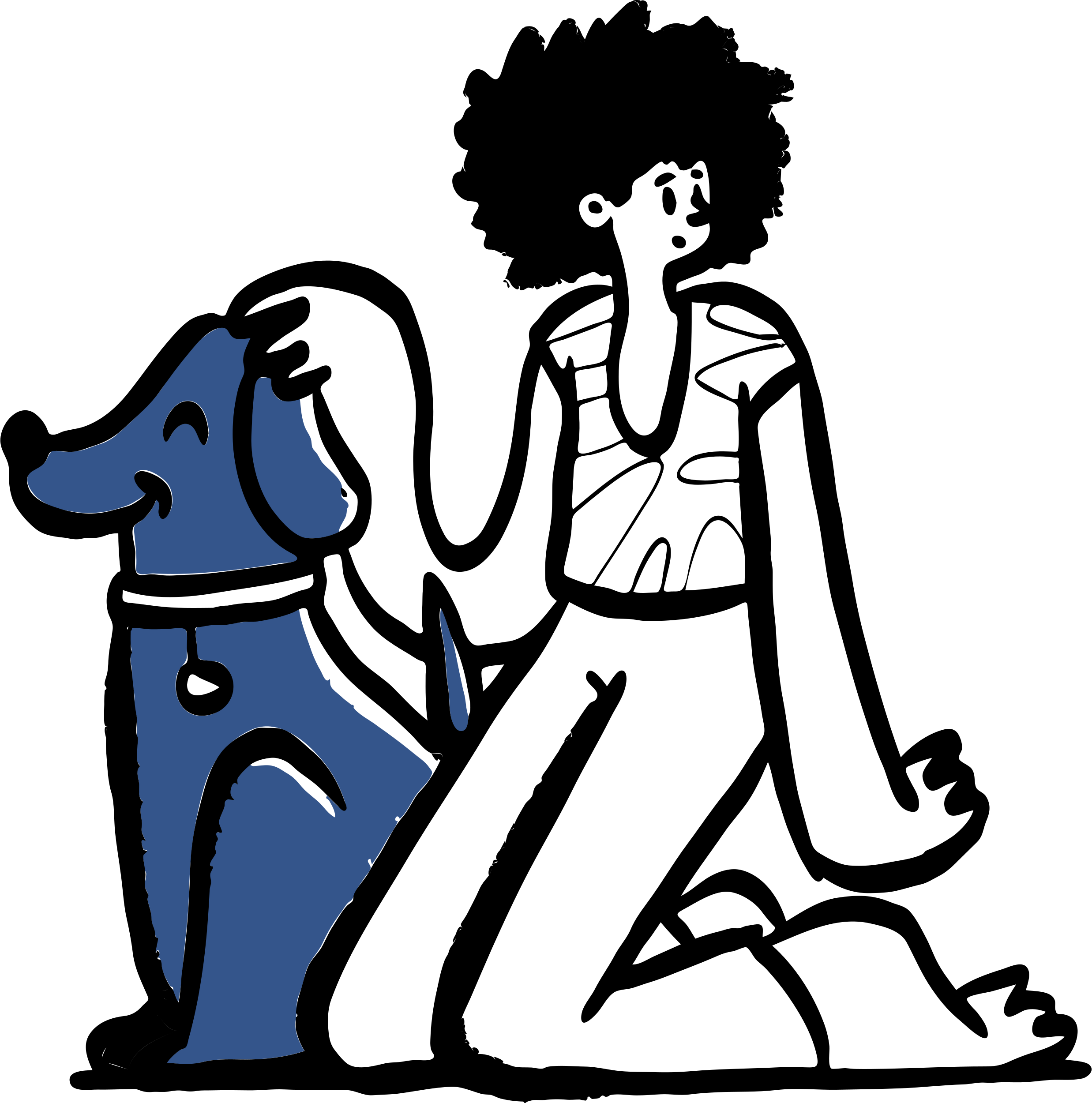
The war against writing — embracing writing
Introduction
This is neither a manifesto in favor of artificial intelligence nor a blind defense of it. It is the account of someone who was there, writing, at the very beginning — back when admitting you wrote with AI was still something to be ashamed of. It is about what one learns when accepting life alongside the imperfections of a learning machine, and about what is lost when one chooses puritanism over experimentation. Ultimately, it is about "Shygirl" and the strange collective urge to dress writers up as dogs.
We love not only having fun with AI-generated writing — we enjoy doing it, and doing it in style. In the early days of AI, when we all recognized and complained about the superficiality of AI writing — how it often felt too artificial — we had to face a reality: overcoming that superficiality was a challenge to be tackled head-on.
Finding originality was something AIs hadn't yet grasped or discovered on their own; they needed humans for that. Even though, early on, only Claude wrote with genuine flair — and even that had an artificial edge — we watched and, like everyone else, initially turned a blind eye to an incredible truth: Claude was fabulous.
Since that first phase, the models themselves have caught up to Claude's fabulous style; they have moved beyond it and are progressing, offering greater substance and originality with less artificiality — and less superficiality. Yet one thing is certain: the associative stringing together of a paragraph to be — or to aim to be — fabulously perfect, even if it seems "magical" or "too artificial," is precisely what AIs do.
And I couldn't lie to myself. While I was experimenting and writing with various models — back when only a few, like Claude, GPT, and Mistral, were at the forefront of the best options for writing (with Claude standing out) — one thing was clear: it was an intriguing idea to anchor fiction in these tools and give the models a chance to prove their worth. Even if they were a bit too prone to "fabulism" for the "deep and refined" tastes of the masses, they had talent. With some patience, careful crafting, and genuine human artistry, it was entirely possible to creatively produce something cool and readable — something people would actually enjoy.
After all, I've read a lot in my life and I know how people tick; I'd bet many of those complaining had read far less than I have, yet they griped far more than was warranted.
The emergence of "Shygirl" — a story about a woman who dressed up as a dog to satisfy her lover's fetish — caused a massive uproar, and AI-generated writing was dragged through the mud for quite a while. Yet, there I was — writing, having fun, experimenting, and marveling at the output while putting in real human effort to craft incredible plots and scripts — and I was getting great results.
When the "Shygirl" controversy broke, I had a realization: hey, wait a minute, some people here are being way too extreme… It didn't take long to connect the dots: this "writing puritanism" wasn't just coming from people who hadn't tried writing with AI the way I was — navigating the ups and downs, weighing the pros and cons. It was a puritanism that said, "Hey, don't show me AI-generated excerpts or chapters; it makes my skin crawl." It was an allergic reaction — the kind of complaint you'd expect from a hater.
Hey, I think it became clear to me: some people were so beside themselves — gripped by a sudden, feverish frenzy — that it seemed a woman transforming into an obedient dog for her master was exactly what they wanted for writers: for them to be nothing more than what we expected of them. Unable to be anything clearly defined — like "AI writers."
The theme of the book Shygirl — a book shunned by the publisher due to complaints that the writing was AI-generated — was precisely that: a woman dressing up as a dog to please someone. And I began to see writers, too, as that dejected dog with its head hanging low — the one on the cover of Shygirl — and I told myself: I don't want to be one of them.